
Biological Molecules
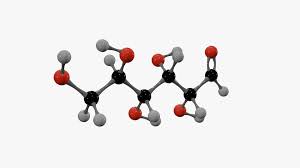
Biological molecules make up DNA, store energy, and act as messengers, carrying information to different parts of the body. There are many different types of biological molecules, and their unique properties dictate their special functions in the body.
What are the types of biological molecules?
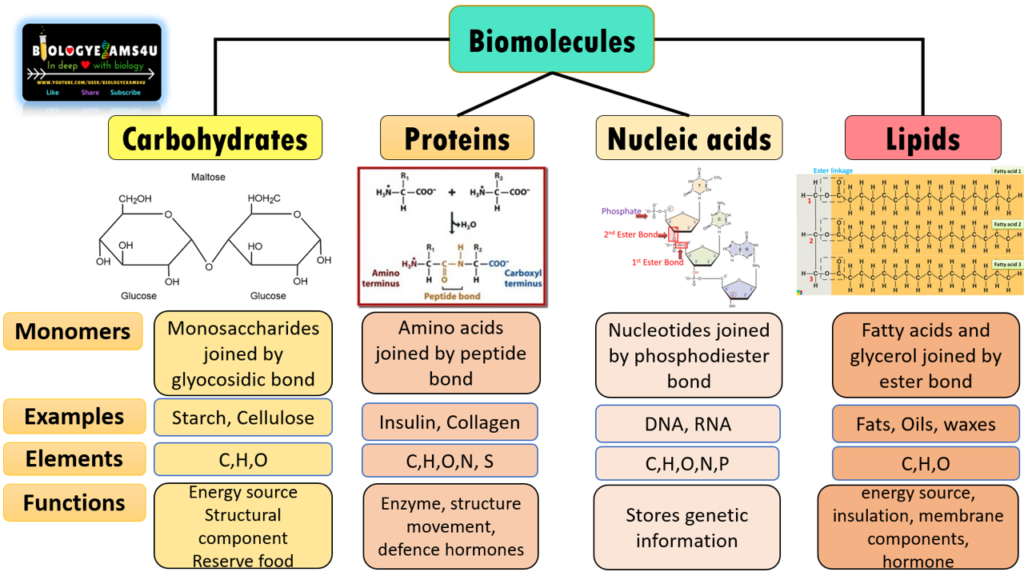
The four main types of biological molecules are carbohydrates, proteins, nucleic acids, and lipids. Carbohydrates are mono- or poly-saccharides made up of one or more benzene rings. Carbohydrates are a source of energy, and can be ingested through foods such as rice or bread. Proteins are made up of amino acids, and multiple amino acids combined form a polypeptide. Proteins are used in enzymes, and cellular structures, and can be ingested through foods such as animal products. Nucleic acids are made up of specialized benzene rings and phosphates. Nucleic acids make up DNA and RNA. Lipids are composed of fatty acids and glycerol. Lipids are used for insulation, hormones, and membrane components, and can be ingested from a variety of foods.
Functional Groups
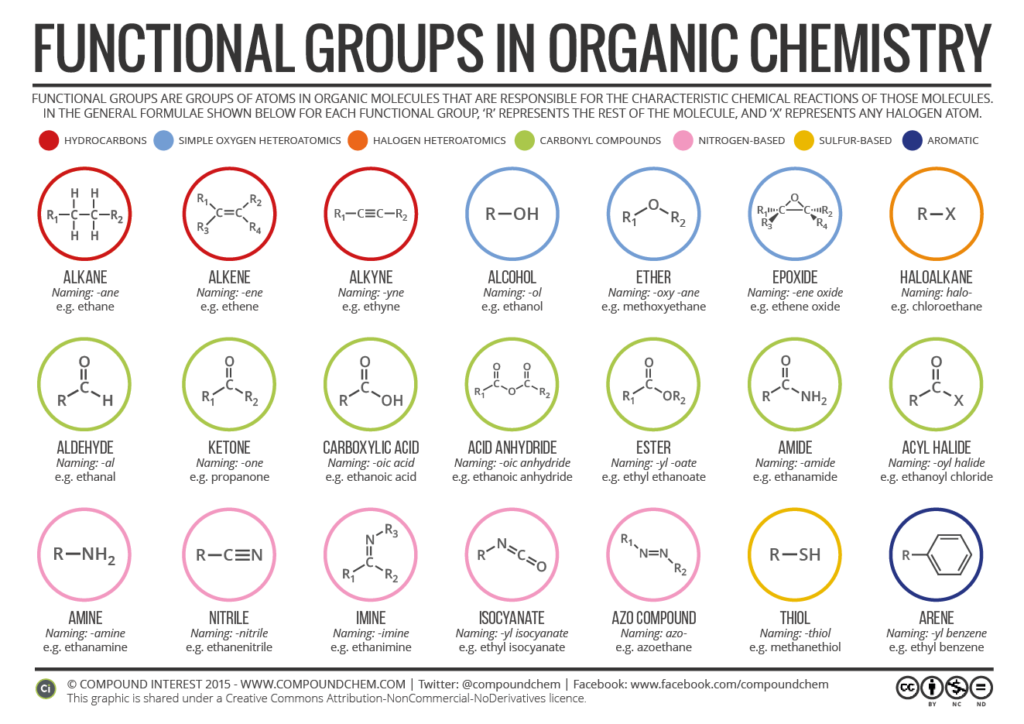
Functional groups dictate the characteristics of organic molecules. Carbon rings, carboxylic acid, and amides describe the functional groups of some biological molecules.
Many biological molecules need to be ingested regularly, as they are constantly being broken down in cells. The digestive system, which is covered in a different section, ensures that biological molecules are constantly replenished.