
Chemistry
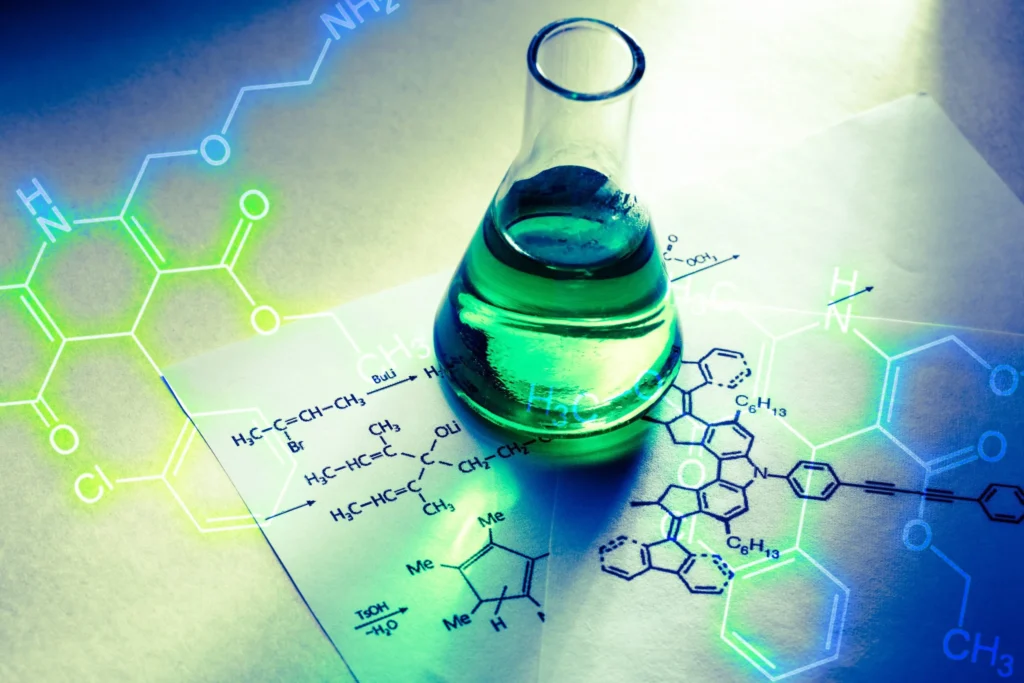
Atoms and molecules are the building blocks of all matter. Therefore, our understanding of biology begins here, at the smallest elemental unit.
What are elements?
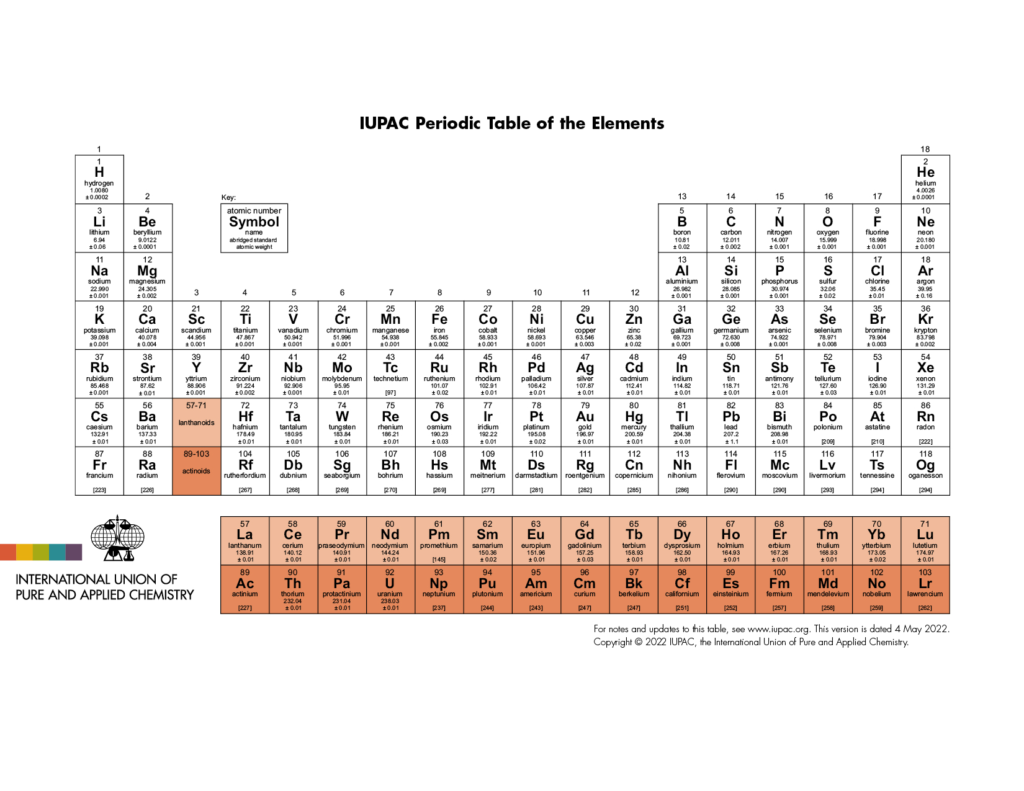
Elements are individual atoms such as carbon, silver, or bromine that differ based on the number of protons they contain. Each element has unique chemical properties that affect their interactions with the world.
What elements are the most important in biology?
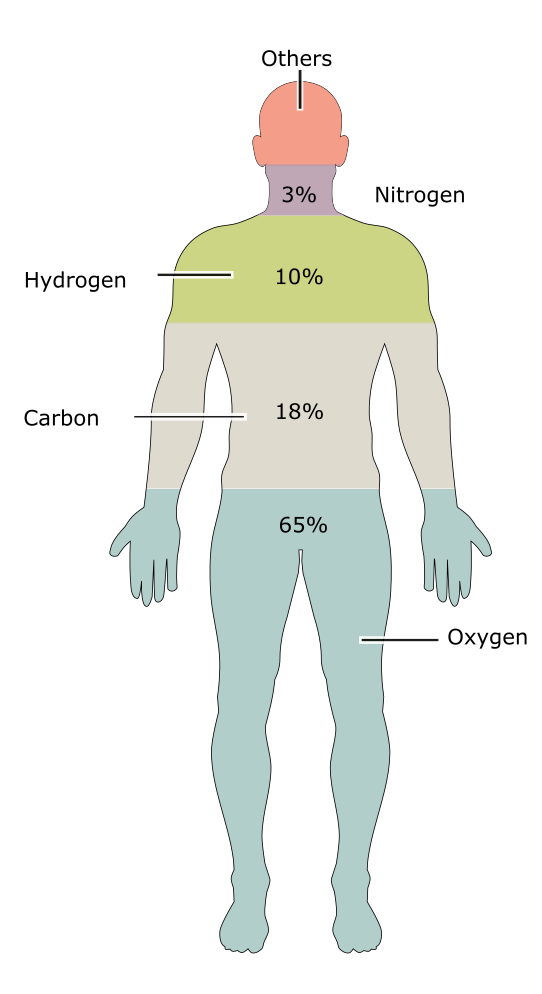
Carbon, hydrogen, oxygen, and nitrogen are the elements most commonly found in our bodies. Phosphate and sulfur are also quite prevalent. Other elements such as potassium, sodium, and iron are also present in our bodies but in lesser quantities. Oxygen is needed for our cells to undergo cellular respiration, and hydrocarbons make up the cells themselves. Phosphate plays a role in nucleic acids, and sulfur is found in some amino acids. Sodium and potassium are involved in action potentials, and iron carries oxygen in the blood.
Elements are vital to the proper functioning of all of our biological systems and make up the very essence of our cells. Therefore, knowing about these tiny building-blocks is necessary to understand how larger systems work.