
Cell Organelles
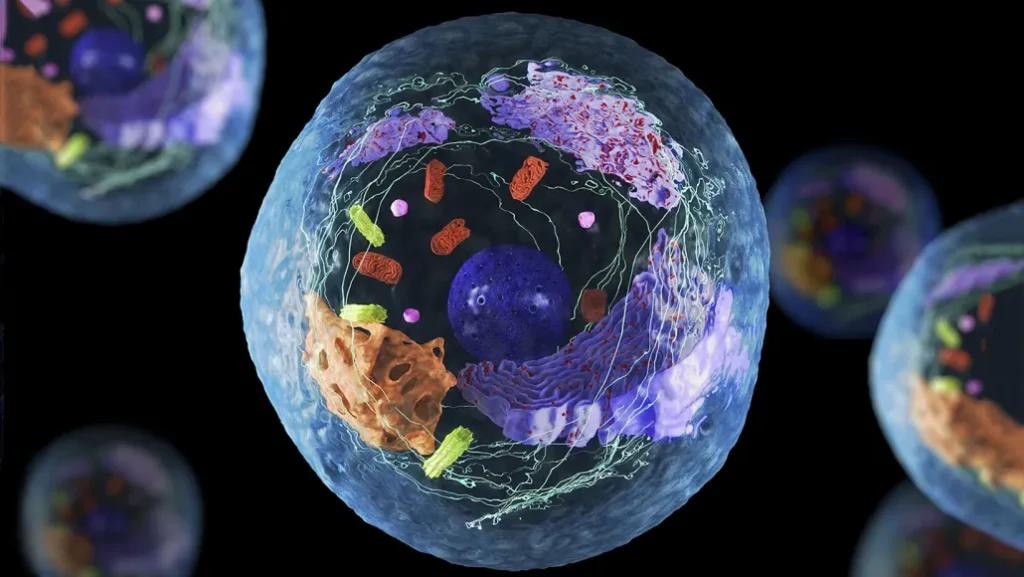
Cells are the basic units of life. Organisms can be made up of a single cell or a collection of cells. The parts of the cell, called the organelles, serve different functions in the cell.
What are the cell organelles?
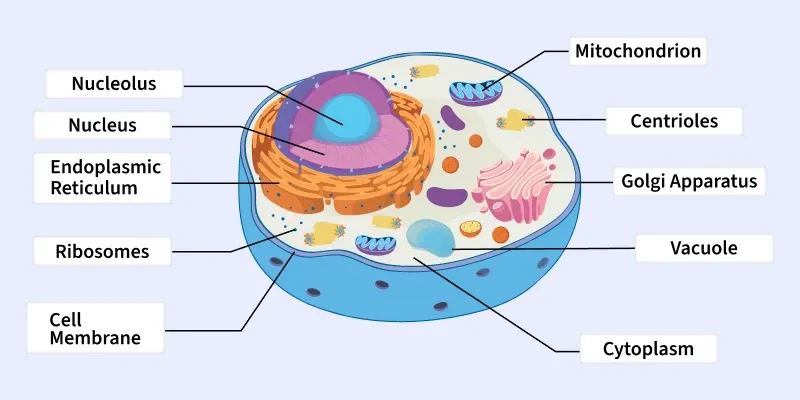
The organelles in the cell work together to help the cell survive, process and make biological molecules, and perform cellular respiration to provide energy. The process starts in the nucleolus, which contains the cell’s genetic information. This genetic material provides the building blocks for making all of the other organelles and for replicating itself. It is encompassed by the nucleus, which protects the genetic material. Next is the endoplasmic reticulum, which surrounds the nucleus, consisting of smooth and rough variations. The smooth variation produces phospholipids, and the rough variation produces ribosomes that produce various proteins such as enzymes. Vesicles transport or secrete certain molecules, and can also destroy large molecules. They can also be used to store water and nutrients. The Golgi apparatus repackages proteins received from the rough endoplasmic reticulum and sends them off in vesicles. To allow this process to occur, the mitochondria act as the “power plants” of the cell, and perform cellular respiration to provide energy for the cell.
In-Depth Guide to Cell Structures
Here is a video that explains the cell structures and how they work together in depth.