
Enzymes
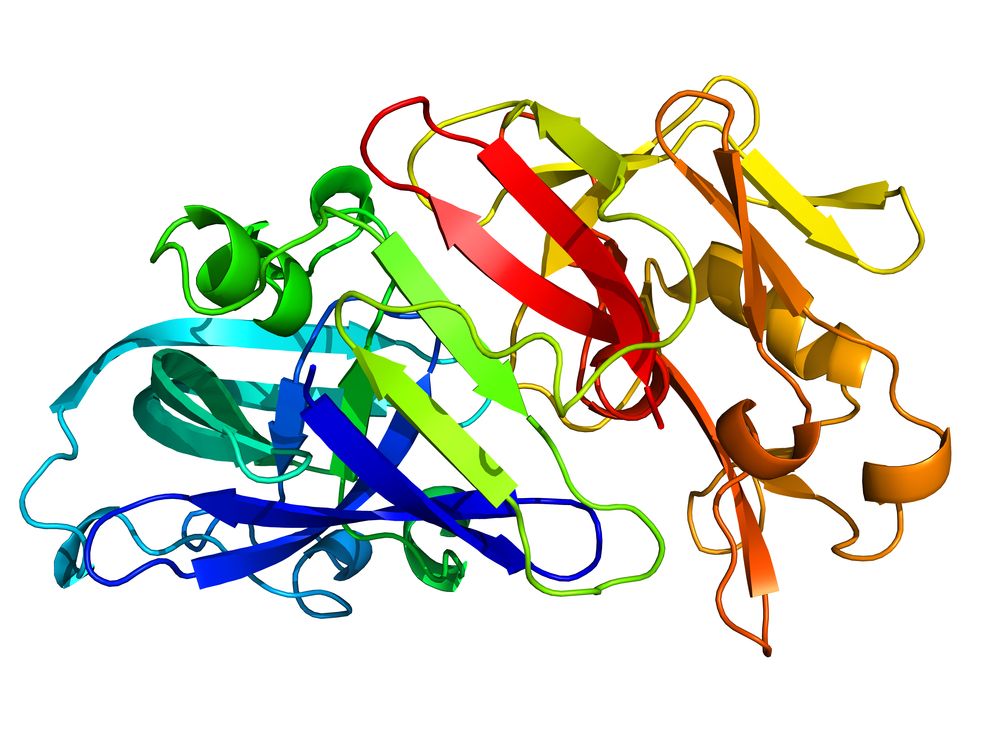
Enzymes act as catalysts for metabolic reactions in the cell. The two types of metabolism are catabolism (hydrolysis), where reactants are broken down into more products, and anabolism (condensation), where macromolecules are created from smaller compounds. Enzymes are typically 3rd degree proteins that lower the activation energy needed to begin a chemical reaction, and are neither created nor destroyed during the reaction.
Substrates
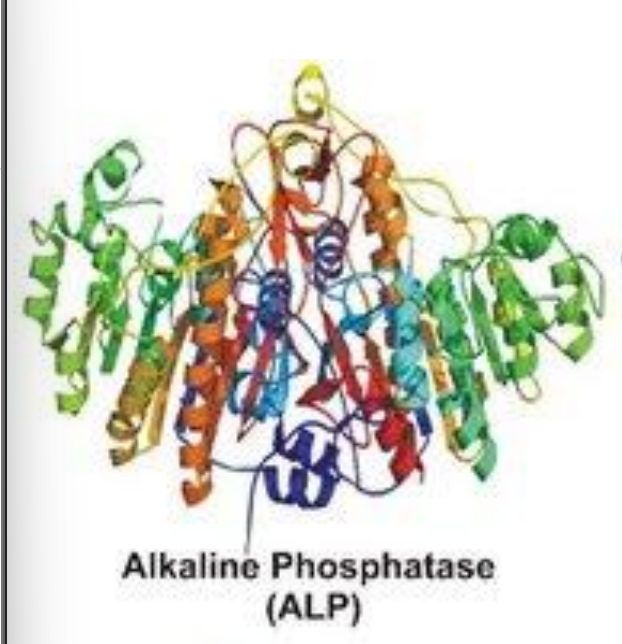
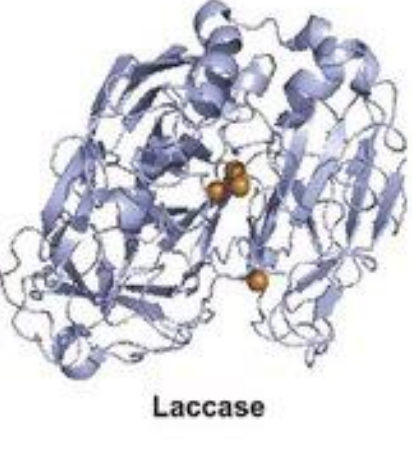
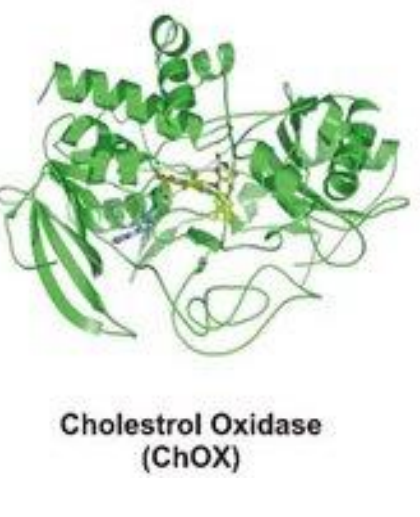
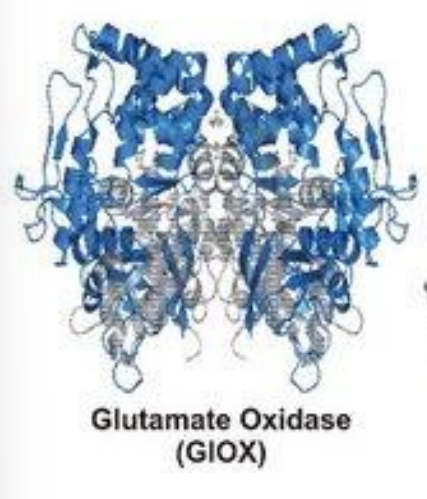
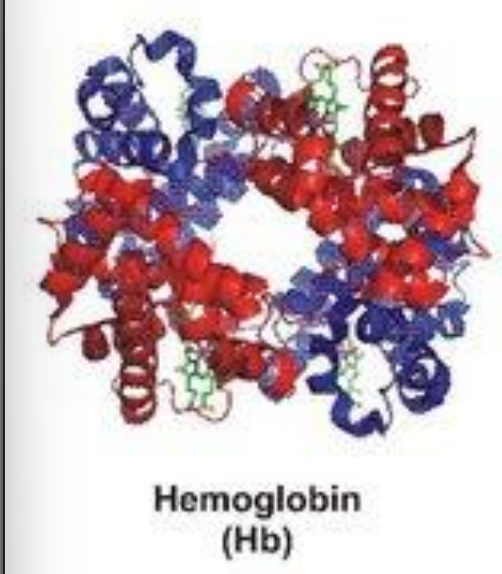
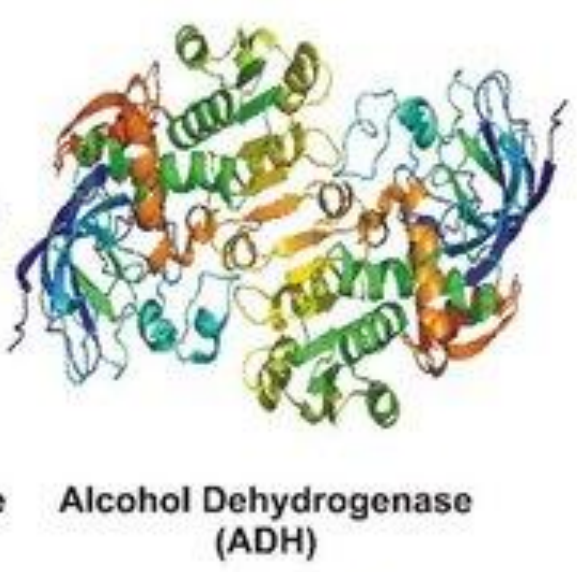
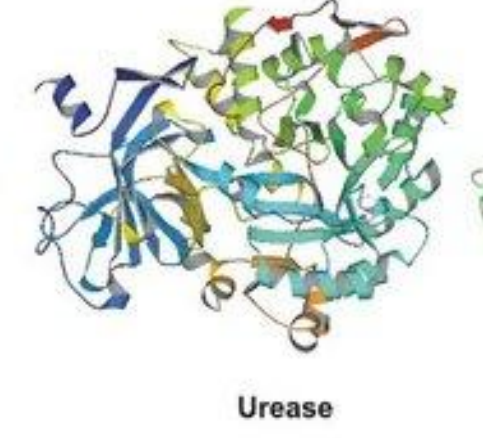
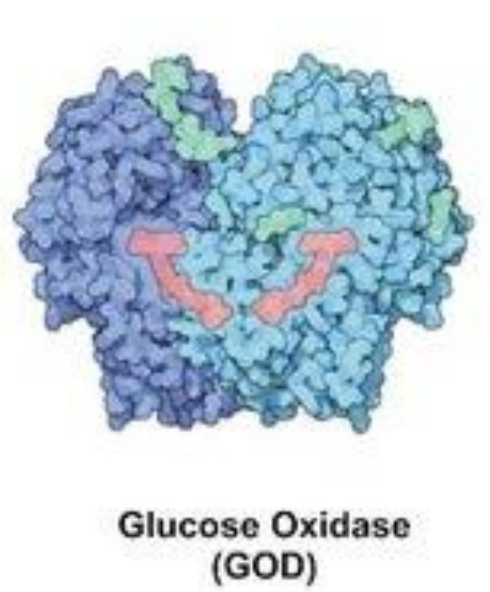
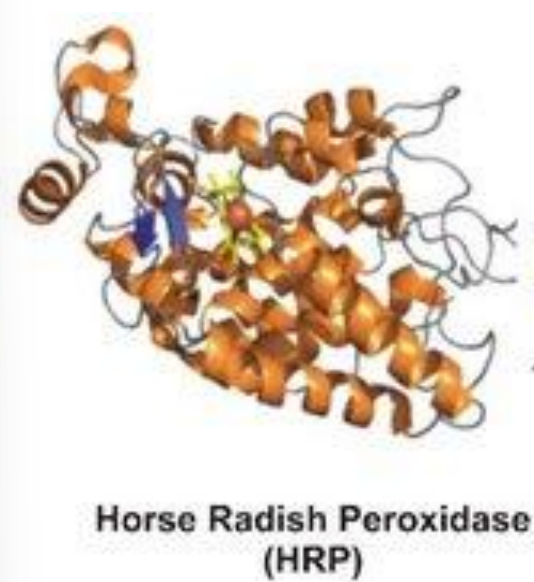
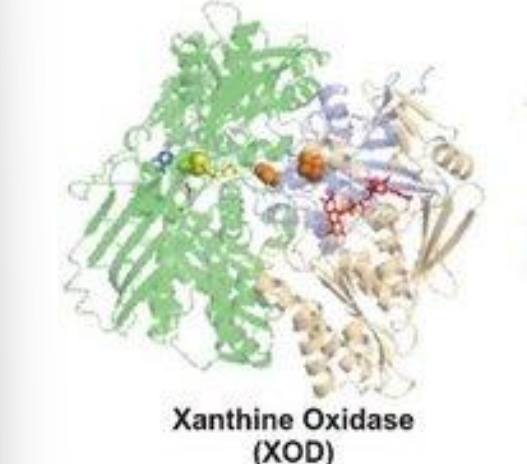
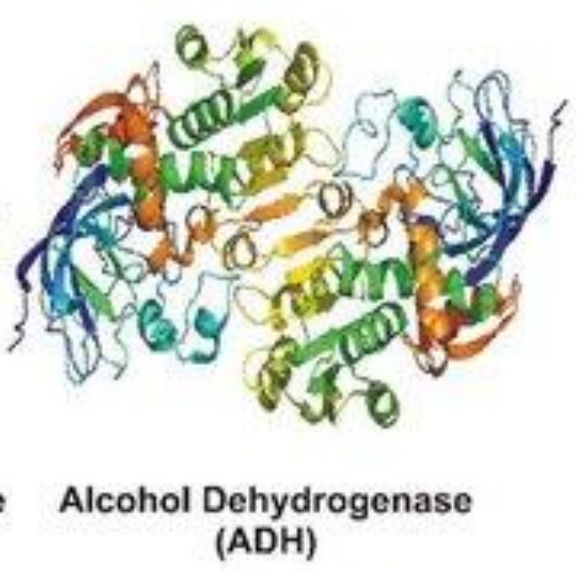
Here are some of the most common enzyme substrates.
Enzyme-Substrate Complex
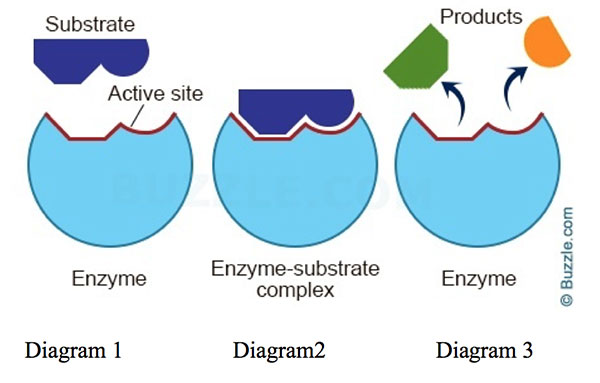
The enzyme joins the substrate at the active site, which moves slightly to accommodate the substrate. The enzyme catalyzes the breaking down or fusing of reactants and synthesizes products efficiently. Enzymatic speed is affected by both the concentration of substrate and the amount of available active sites. Reactions are ultimately limited by the amount of active sites available, as there are typically fewer active sites than there is substrate.